
Tag: Featured
-
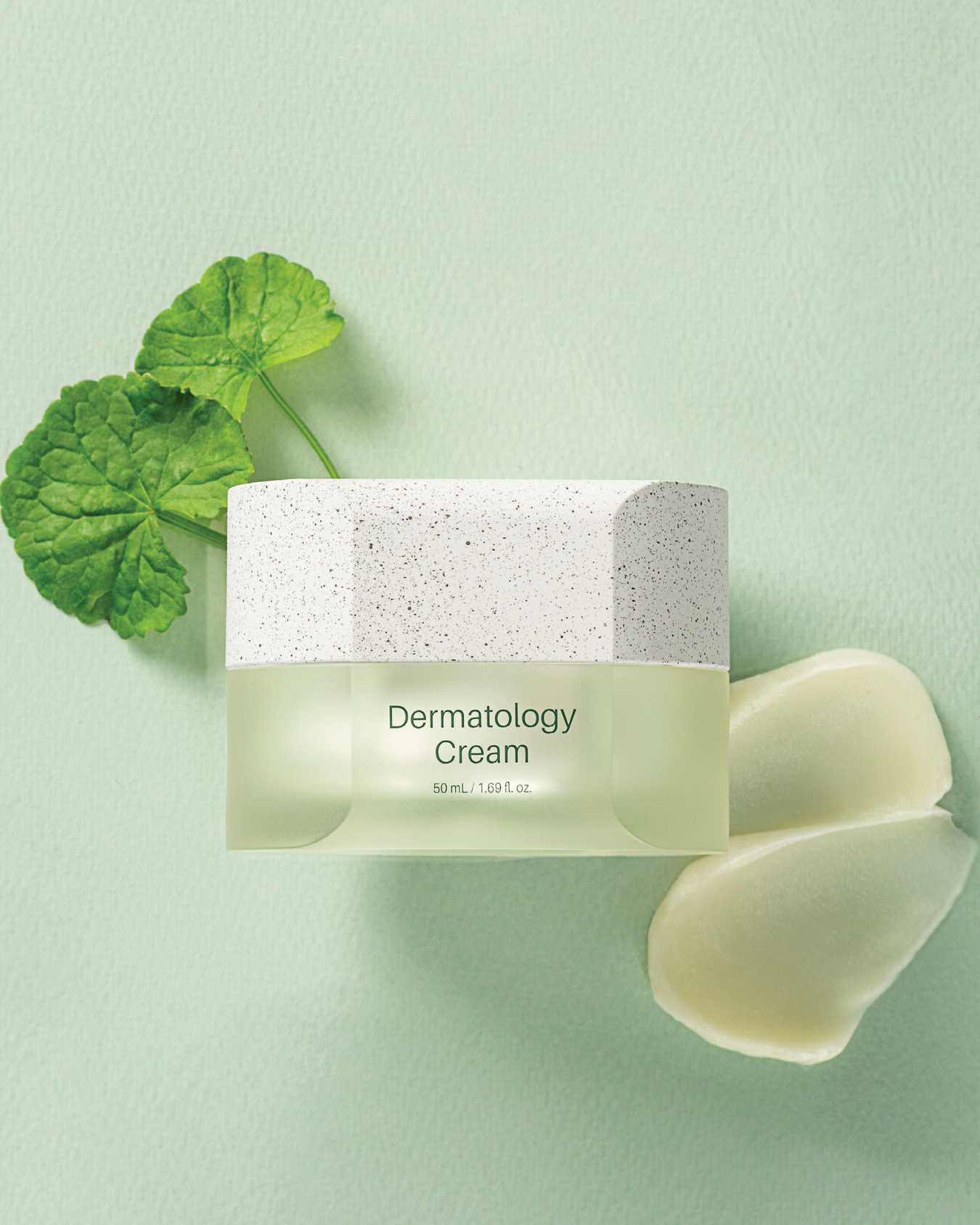
Korean cosmetics often use terms like "functional cosmetics," "advanced biotechnology," and "cellular care." What do they actually mean? And how can you tell the difference between an interesting formula and a marketing promise? Let's take a closer look at this from the perspective of skin needs and available information about cosmetics. What are Korean functional cosmetics? In South Korea, the term "functional cosmetics" (기능성 화장품)…
-

NAD+ and NMN are increasingly appearing in conversations about longevity, regeneration, and next-generation cosmetics. They sound promising, but what do we actually know about them? It's worth separating the role of these compounds in the body from the effects that can be attributed to a specific cream or serum. What is NAD+? NAD+ (nicotinamide adenine dinucleotide) is a coenzyme found in our body's cells. It participates, among other things, in…
-

The term "functional cosmetic" sounds appealing, but in South Korea it also has specific legal implications. It's not just about a trendy ingredient or a marketing promise. It's worth knowing what the term really means—especially if you're interested in Korean skincare. Functional cosmetics: what does the term mean? In South Korea, certain product categories are subject to cosmetics regulations…
-

Conscious skincare begins with questions like: what does my skin really need, what's in the ingredients, and will a given product be right for me? Increasingly, we choose cosmetics not for eye-catching packaging, but for the quality of the formula, ease of use, and consistency. Is it worth investing in premium skincare? Yes, if the price is matched by tangible benefits…
-

The Korean skip-care trend shows that skincare doesn't have to consist of a dozen or so steps. The key is choosing a few products that work well together and address your skin's needs. What might such a routine with RIMAN cosmetics look like? As a cosmetologist, I pay particular attention to ingredients, skin tolerance, and regular use. Among the interesting features of RIMAN products are…
-

It's easy to find trendy ingredients described as groundbreaking in cosmetics. In practice, it's worth examining their effects, concentration, and overall product formula. Here are four groups of substances that frequently appear in modern skincare and can support skin health. Niacinamide and Adenosine Niacinamide, a derivative of vitamin B3, helps support the epidermal barrier, reduce excessive sebum production, and improve…
-

The glass skin effect—smooth, radiant, well-hydrated skin—is one of the most recognizable trends in Korean skincare. However, it's not achieved with highlighter alone. Consistency, gentle cleansing, and maintaining the skin barrier are far more important. Here are three steps to start with. Thorough yet gentle two-step cleansing If you wear makeup or use waterproof SPF,…