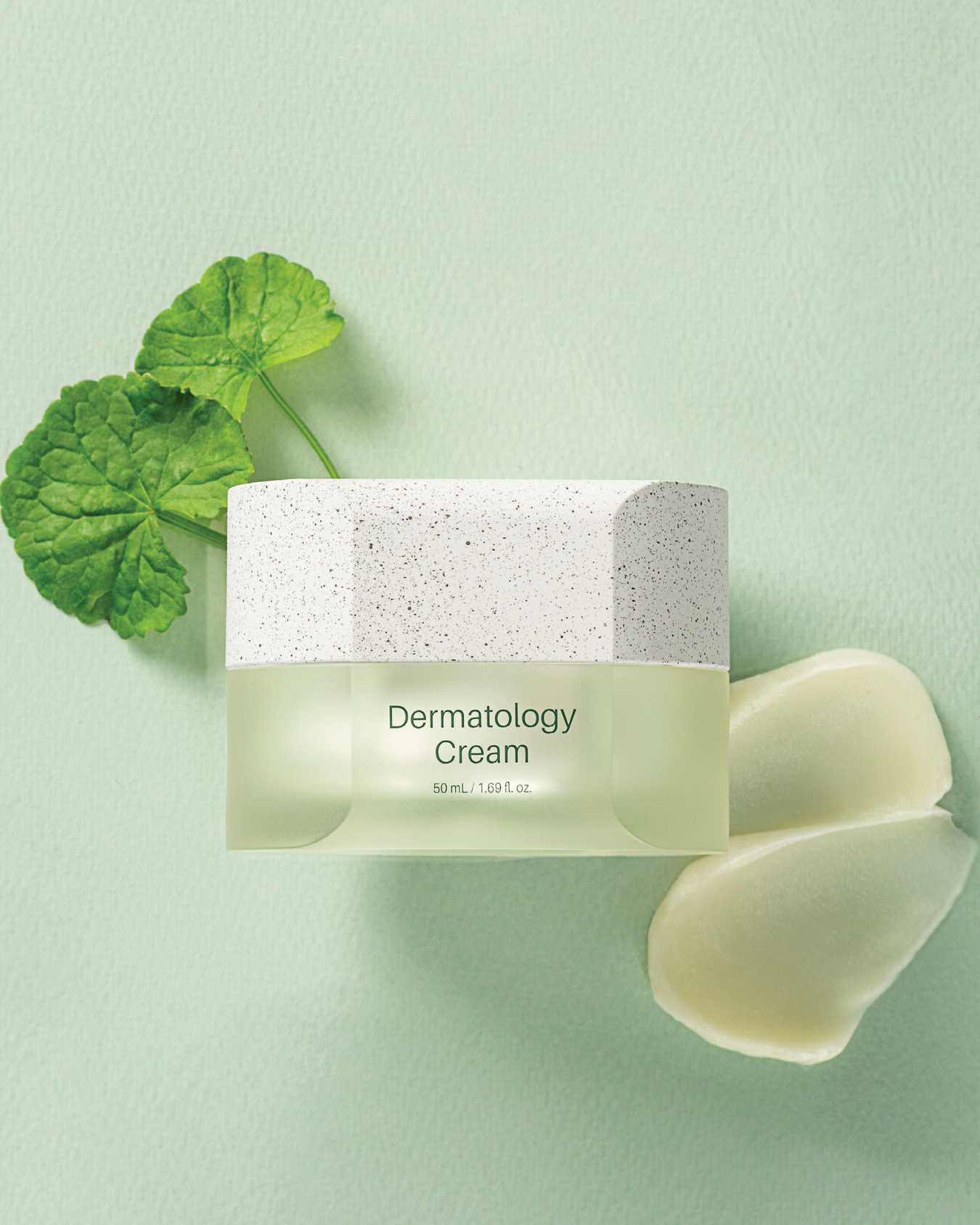
Korean cosmetics descriptions often use terms like "functional cosmetics," "advanced biotechnology," and "cellular care." What do they actually mean? And how can you tell the difference between an interesting formula and a marketing promise? Let's take a closer look at this from the perspective of skin needs and available information about cosmetics.
What are Korean functional cosmetics?
In South Korea the term functional cosmetics (기능성 화장품) refers to a category of products subject to specific regulations. These are overseen by the Korea Food and Drug Safety Agency (MFDS). These regulations cover, among other things, selected claims regarding wrinkles, discoloration, and sun protection.
This doesn't mean that every cosmetic described as "functional" heals the skin, or that all its ingredients have been clinically tested in the finished formula. It's always worth checking the manufacturer's claims and whether the product is suitable for your skin.
For sensitive skin, composition, application method, and individual tolerance are particularly important. Functional cosmetic status alone does not guarantee the absence of irritation or allergic reactions.
Care „at the cellular level” – what does this term mean?
The phrase "action at the cellular level" appears frequently in cosmetic marketing, but it's not a uniform scientific or regulatory category. It's worth asking what specific effects have been demonstrated: improved hydration, support for the epidermal barrier, smoothing, or reducing the appearance of wrinkles.
Modern formulations utilize peptides, plant extracts, fermented ingredients, and carrier technologies, among others. Some of these solutions have promising scientific foundations, but research results on a single ingredient do not automatically prove the effectiveness of the entire cream.
Cosmetics can support skin health, but their effects should not be equated with tissue engineering or medical procedures. These are entirely different areas of application and evidentiary requirements.
How to recognize a weakened epidermal barrier?
The epidermal barrier helps limit water loss and protect the skin from external factors. When it's weakened, you may notice:
- A feeling of tightness or dryness after washing your face.
- Greater sensitivity to cosmetics that were previously well tolerated.
- Burning, stinging or redness after applying products.
- Roughness, flaking and discomfort of the skin.
- Increased irritation after too frequent use of acids or retinoids.
These symptoms can have various causes, so they don't always indicate barrier damage. If they are severe, persistent, or accompanied by inflammatory changes, it's worth consulting a dermatologist.
How to choose Korean functional cosmetics?
A growing number of K-beauty brands are available on the Polish and European markets. To avoid being solely driven by trends, consider a few practical considerations:
- Composition and purpose: check the INCI and what skin type the manufacturer recommends the product for.
- Scope of research: distinguish between tests of a finished formula and tests on individual ingredients.
- Clear declarations: Be wary of promises of „instant cell regeneration” or „age reversal.”.
It's also worth remembering that regulatory requirements differ between Korea, the European Union, and the United Kingdom. A Korean product label alone does not replace compliance with the regulations in force in the market where the cosmetic is sold.
Why is a simple routine sometimes the best?
A large number of active ingredients can increase the risk of irritation, especially in people with reactive skin. Therefore, it's best to start with a gentle cleanser, moisturizer, and SPF. Introduce serums or boosters gradually, observing your skin's reaction.
Korean skincare isn't about a mandatory ten-step routine. A well-planned, shorter routine can be just as valuable—and sometimes better tolerated.
What is worth remembering?
Korean functional cosmetics can be an interesting element of conscious skincare, but evaluating them requires more than just an attractive slogan. What matters are the ingredients, research into the specific formula, skin tolerance, and realistic expectations.
If you want to learn more about RIMAN products, check out cosmetics catalog and their INCI compositions. This makes it easier to compare formulas and choose the right care for your needs.
This article is for educational purposes only and does not replace a dermatologist's consultation. If you experience persistent skin complaints, consult a specialist.


