
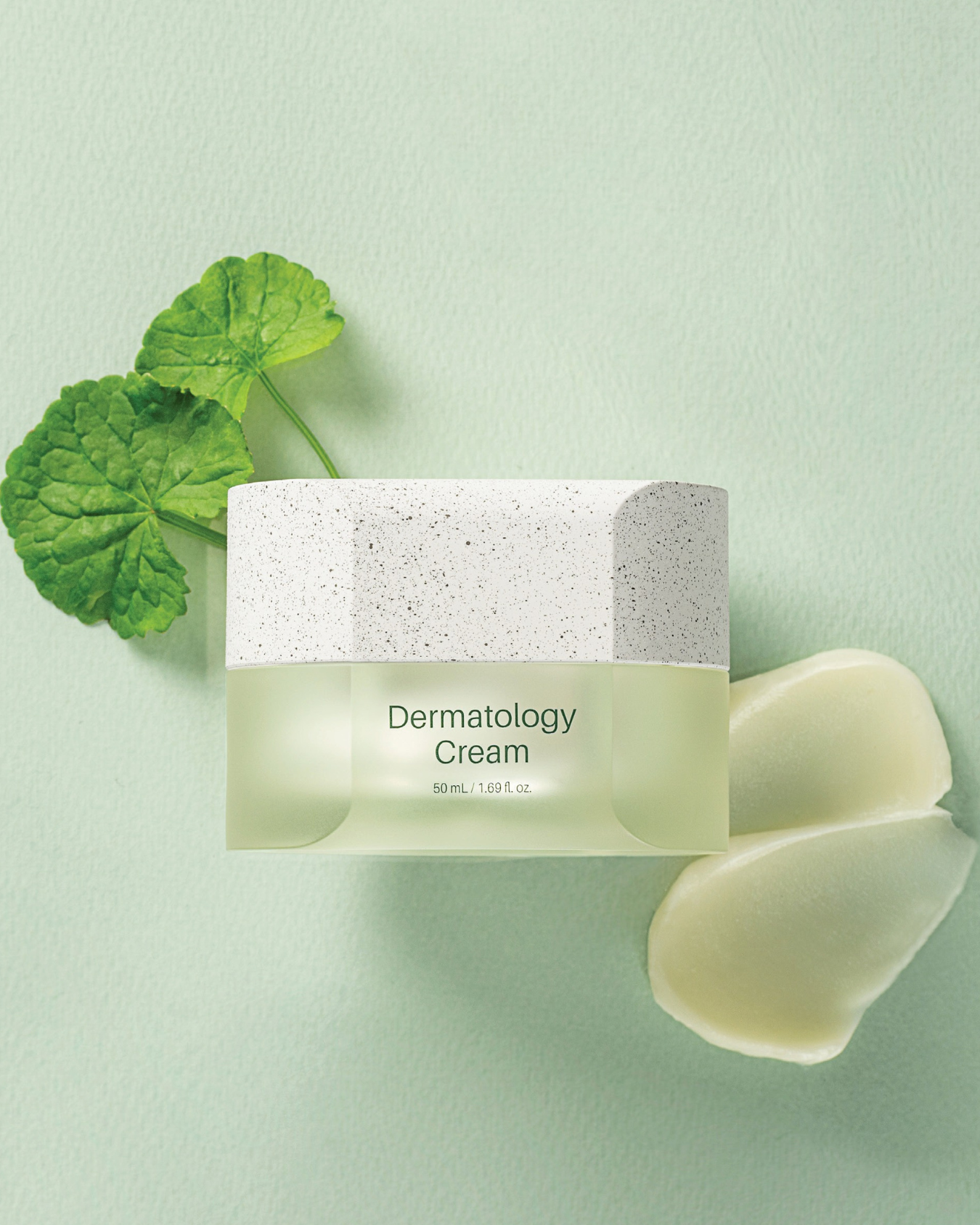
If you’ve spent any time browsing Korean skincare online, you’ve probably come across the phrase „functional cosmetics.” It sounds like marketing language, but in Korea it’s actually a regulated category — and understanding what it means can save you from wasting money on products that only work on the surface.
What Is Functional Cosmetics?
In South Korea, „functional cosmetics” (기능성 화장품) is an official classification overseen by the Ministry of Food and Drug Safety. Unlike ordinary cosmetics, functional cosmetics must demonstrate a measurable effect — whitening, wrinkle improvement, UV protection, or skin barrier support — before they can carry the label. That’s very different from most Western skincare marketing, where „clinically proven” can mean almost anything.
This is why so many people searching for Korean functional skincare are looking for something specific: products backed by actual testing, not just appealing packaging. If a product is marketed as functional cosmetics in Korea, there’s a regulatory reason for that claim, not just a marketing team behind it.
For anyone with reactive or easily irritated skin, this distinction matters even more. Functional cosmetics for sensitive skin typically go through additional stability and irritation testing, because a product can’t claim a functional benefit if it damages the skin barrier in the process. That’s a meaningfully different starting point than „hypoallergenic” labels, which have no standardised definition in most markets.
The Science of Cellular-Level Care: What „Tissue Engineering” Actually Means
You’ll often see Korean skincare brands describe their products as working at a „cellular level.” It’s a phrase used loosely enough that it’s worth unpacking.
Cellular-level skincare generally refers to formulations designed to interact with skin at the level of the epidermis and dermis — supporting processes like cell turnover, collagen synthesis, or barrier lipid production — rather than simply sitting on top of the skin as a temporary layer. Some Korean labs go further, applying principles from tissue engineering, a field originally developed for regenerative medicine, to skincare formulation. In practice, this means using biotechnology-derived ingredients (fermented extracts, peptides, growth-factor-adjacent compounds) designed to support the skin’s own repair mechanisms rather than masking issues cosmetically.
The key word here is „support.” No skincare product can rebuild tissue the way a living cell does — but the more advanced formulations are built around that goal, using ingredient science rather than fragrance and texture alone.
Signs Your Skin Barrier Needs Repair
Before choosing any functional product, it’s worth checking whether your skin barrier actually needs attention. Common signs include:
- Skin that feels tight or looks dull shortly after cleansing
- Increased sensitivity to products you previously tolerated well
- Redness or a stinging sensation when applying skincare
- Rough texture or visible flaking, even without dryness elsewhere
- Breakouts that don’t respond to typical spot treatments
If several of these sound familiar, you’re likely dealing with a compromised barrier rather than a „wrong product” problem. This is exactly where Korean skincare for skin barrier repair earns its reputation — formulations built around ceramides, ferments, and ingredients that support the barrier’s natural lipid structure tend to outperform products chasing a single trendy ingredient.
How to Choose Between Korean Skincare Brands in the UK
The UK market for Korean beauty has grown quickly, which is good for choice but makes it harder to tell genuinely functional products from ones simply riding the K-beauty trend. A few practical filters:
- Check for an actual ingredient rationale. Brands built around functional cosmetics will usually explain why an ingredient is included, not just list it.
- Look for consistency across a range, not just one hero product. A brand genuinely focused on skin science tends to apply the same standards across its line.
- Be sceptical of vague superlatives. „Premium” and „luxury” mean very little on their own — among the best Korean functional cosmetics, the interesting claims are usually specific (barrier repair, cell turnover support, sensitivity testing), not just about prestige.
When comparing Korean skincare brands in the UK, it’s worth spending a few minutes checking whether a brand’s functional claims map to Korea’s actual regulatory category, or whether „functional” is being used loosely as a buzzword.
Why Minimalist Routines Work Better for Functional Skincare
One counterintuitive point: functional skincare tends to work best in simpler routines, not bigger ones. Layering multiple active, high-concentration products increases the risk of barrier disruption — which defeats the purpose if you’re trying to repair it in the first place.
A minimalist approach to Korean skincare — a gentle cleanser, one or two genuinely functional treatment products, and a barrier-supporting moisturiser — usually outperforms a ten-step routine, especially for people already dealing with sensitivity. Less product, applied consistently, tends to give the skin barrier the stability it needs to actually respond to functional ingredients.
The Takeaway
„Functional cosmetics” isn’t just a nicer way of saying skincare — in the Korean beauty industry, it points to a specific standard of formulation and testing. If your skin barrier feels compromised, sensitive, or simply tired of trend-driven products that promise everything and deliver little, it’s worth looking specifically for Korean functional skincare built on that stricter standard, rather than skincare that merely borrows the aesthetic.
RIMAN is one of the Korean brands working within this functional cosmetics category, with a focus on cellular-level formulation rather than surface-level effects. You can browse the current range on our portfolio page.
This article is for general information and does not constitute medical or dermatological advice. If you have persistent skin concerns, please consult a dermatologist.
Dodaj komentarz